Massage Therapy
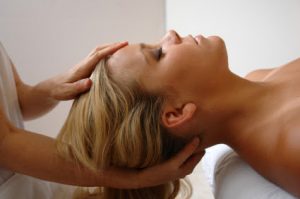 Massage therapy offers a wide range of benefits that enhance both physical and mental well-being. Physically, regular massage can alleviate muscle tension, reduce chronic pain, and improve circulation. By applying targeted pressure to specific areas, massage helps release tight muscles, relieve stiffness, and promote the flow of blood and lymphatic fluids. This enhanced circulation can aid in the recovery of injuries and reduce inflammation, leading to improved flexibility and overall physical comfort. Additionally, massage therapy can stimulate the production of endorphins, the body’s natural painkillers, which helps manage pain and promotes a sense of relaxation and well-being.
Mentally, massage therapy plays a crucial role in reducing stress and anxiety. The calming effect of a massage helps lower levels of cortisol, the stress hormone, while simultaneously increasing serotonin and dopamine, which are associated with feelings of happiness and relaxation. This combination not only enhances mood but also improves sleep quality, leading to a more restful and rejuvenating experience. Regular massage can also support mental clarity and emotional balance by providing a dedicated time for relaxation and self-care. Overall, incorporating massage therapy into a wellness routine can contribute to a more balanced and healthier lifestyle.
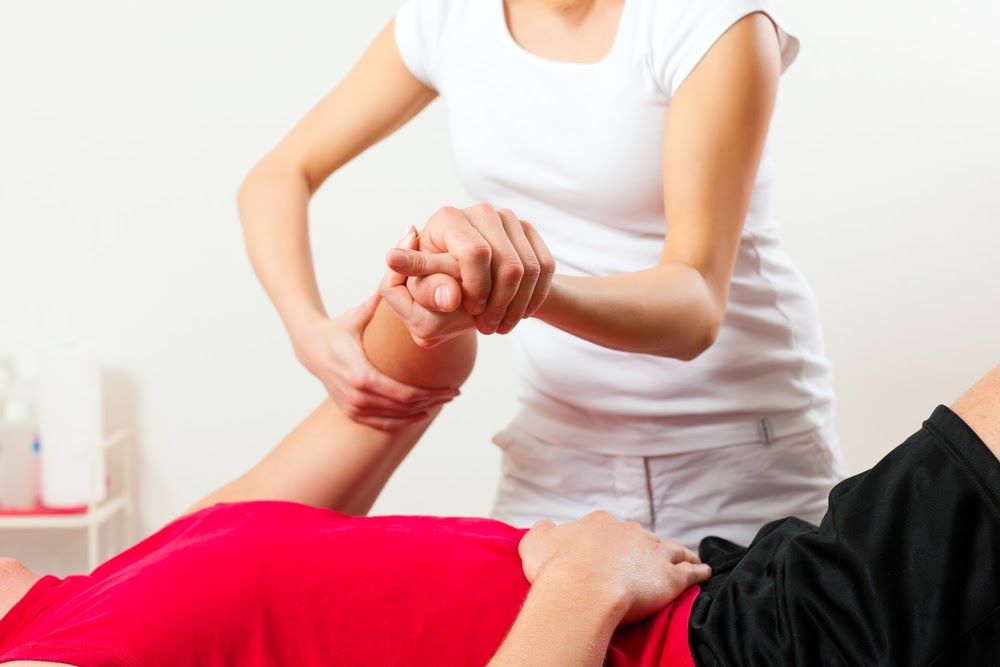
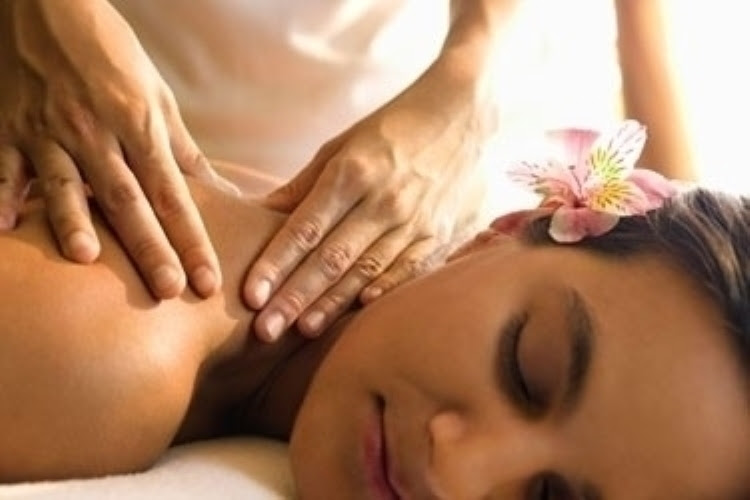
Different Styles of Massage Therapy
Massage therapy encompasses a variety of techniques, each designed to address specific physical and emotional needs. These techniques, rooted in diverse cultural practices and therapeutic principles, offer a wide array of benefits, from pain relief to stress reduction. Understanding the different styles of massage therapy can help individuals select the approach best suited to their needs.
Swedish Massage
Swedish massage is one of the most well-known and widely practiced forms of massage therapy. Developed in the early 19th century by Swedish physiologist Per Henrik Ling, this technique uses long, flowing strokes, kneading, and circular movements to relax muscles, improve circulation, and promote overall relaxation. The primary goal of Swedish massage is to enhance the body’s circulation and increase the flow of oxygen to the muscles, which helps in reducing muscle tension and stress. This style is ideal for those new to massage therapy or seeking a gentle yet effective treatment for relaxation and overall well-being.
Deep Tissue Massage
Deep tissue massage targets the deeper layers of muscle and connective tissue, making it particularly effective for chronic pain and muscle stiffness. This technique involves slower, more forceful strokes to reach deeper muscle layers and fascia. By applying concentrated pressure, deep tissue massage helps release chronic muscle tension, improve range of motion, and break down scar tissue. It is often used to address specific problem areas and is beneficial for individuals with persistent pain or injuries. However, due to its intensity, it may not be suitable for everyone and can sometimes cause temporary soreness.
Shiatsu
Originating in Japan, Shiatsu is a form of massage therapy that incorporates principles of traditional Chinese medicine. Shiatsu, which means “finger pressure” in Japanese, involves applying pressure to specific points along the body’s energy pathways, known as meridians. The aim is to balance the body’s energy flow, promote relaxation, and enhance overall health. Shiatsu uses a combination of pressure, stretching, and gentle manipulation to address physical and emotional imbalances. This style is beneficial for those seeking a holistic approach to wellness that integrates body, mind, and spirit.
Thai Massage
Thai massage, also known as Thai Yoga Massage, combines elements of yoga, acupressure, and Ayurvedic medicine. This ancient practice involves a series of assisted stretches, rhythmic pressing, and deep tissue work performed on a mat on the floor. The therapist uses their hands, elbows, knees, and feet to apply pressure and stretch the client’s body, aiming to improve flexibility, energy flow, and overall relaxation. Thai massage is ideal for individuals looking to enhance their range of motion and experience a more dynamic and invigorating form of massage.
Hot Stone Massage
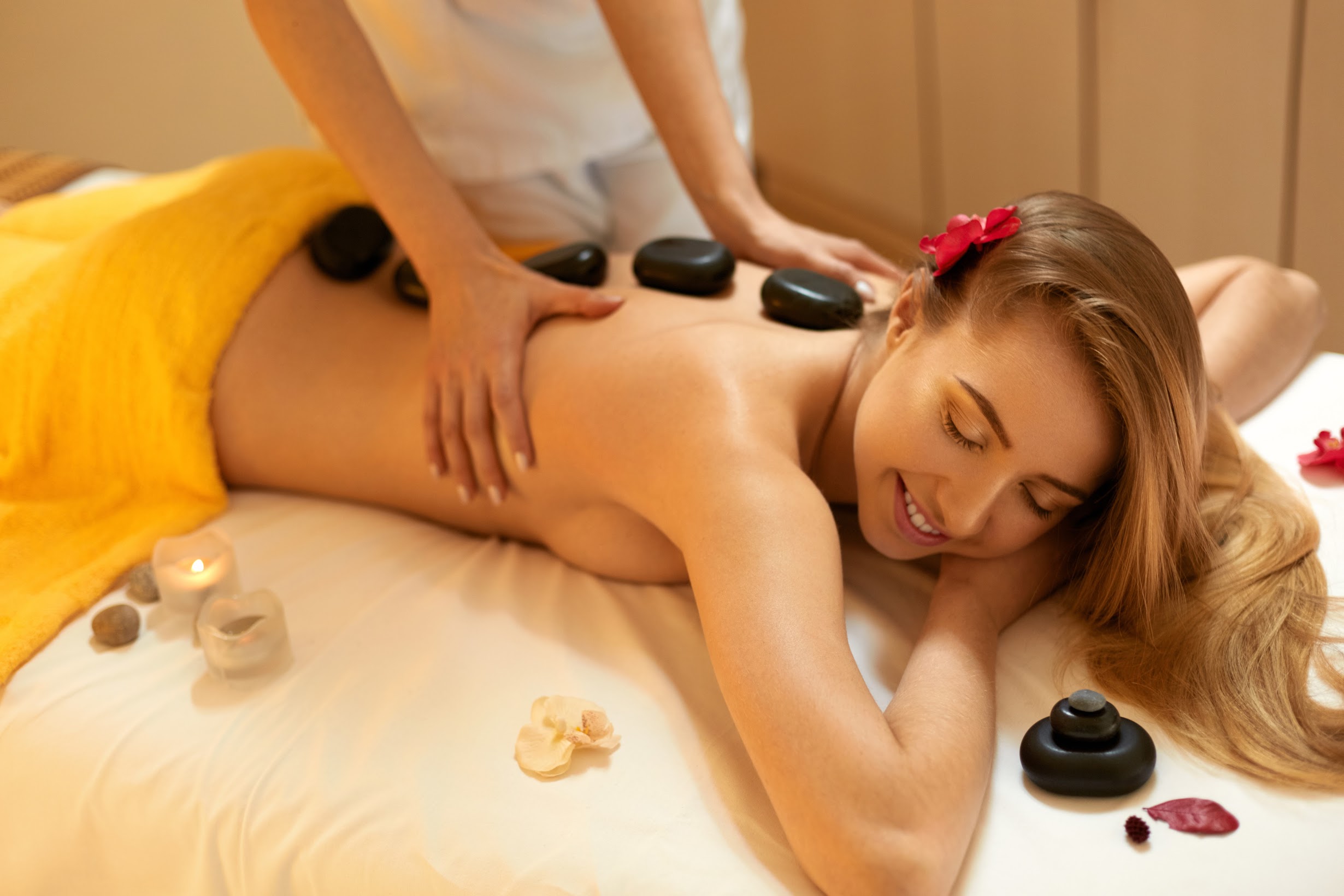
Hot stone massage utilizes heated stones placed on specific points of the body to promote relaxation and ease muscle tension. The stones, typically basalt, are warmed and then used to gently massage the body or are placed on key energy points. The heat from the stones helps to increase blood flow, soothe sore muscles, and deepen relaxation. Hot stone massage is particularly effective for individuals who prefer a more soothing and less physically intense massage experience, and it is often used to alleviate stress, improve circulation, and enhance overall comfort.
Aromatherapy Massage
Aromatherapy massage combines the benefits of massage therapy with the therapeutic effects of essential oils. During an aromatherapy session, essential oils are blended with carrier oils and applied to the skin during the massage. The specific oils used are selected based on their individual properties, such as relaxation, stress relief, or invigoration. Aromatherapy massage can enhance the overall massage experience by adding a sensory dimension, promoting emotional and psychological well-being, and supporting physical health. This style is ideal for those looking to address specific emotional or psychological needs while enjoying the benefits of massage.
Reflexology
Reflexology is a specialized form of massage that focuses on specific reflex points on the feet, hands, and ears, which are believed to correspond to different organs and systems in the body. By applying pressure to these reflex points, reflexology aims to promote balance and healing throughout the body. This technique is used to alleviate stress, improve circulation, and support overall health. Reflexology is beneficial for those seeking a non-invasive approach to wellness that targets specific areas of the body through pressure point stimulation.
Myofascial Release
Myofascial release is a technique that targets the fascia, the connective tissue surrounding muscles and organs. By applying gentle, sustained pressure, this technique aims to release restrictions and alleviate pain and tension in the fascia. Myofascial release is often used to address chronic pain conditions, postural imbalances, and movement restrictions. This style is ideal for individuals seeking relief from long-term muscle and connective tissue issues.
Conclusion
Massage therapy offers a diverse range of styles, each with its unique techniques and benefits. From the gentle relaxation of Swedish massage to the deep muscle relief provided by deep tissue therapy, there is a style suited to every individual’s needs and preferences. Exploring different massage techniques can help individuals find the most effective approach for their specific goals, whether they seek stress reduction, pain relief, improved flexibility, or overall well-being. By understanding the various styles of massage therapy, individuals can make informed choices that support their health and enhance their quality of life.